Deeptej More
Computer Vision Researcher
About
I'm Deeptej. I work at Deepnight on Deep Learning for night vision. Previously, I was a founding machine learning engineer at tessel.ai, where I worked on mechanistic interpretability for pathology foundation models and style transfer for stained tissue images.
I graduated with a Master's in AI from Northwestern University. During my master's, I was a research assistant under Prof. Lee A. Cooper at the Computational and Integrative Pathology Group, working on panoptic segmentation of histopathological images. I was also a visiting graduate student at Johns Hopkins under Prof. Alan Yuille at the CCVL lab, working on hyperbolic deep learning.
I did my Bachelor's in Mechatronics from Manipal Institute of Technology, India. During undergrad, I worked with Prof. Biplab Banerjee at IIT Bombay on meta-learning for super-resolution and domain-adaptive few-shot learning. I also led the Autonomous Drone Research subsystem at AeroMIT.
Recent Publications
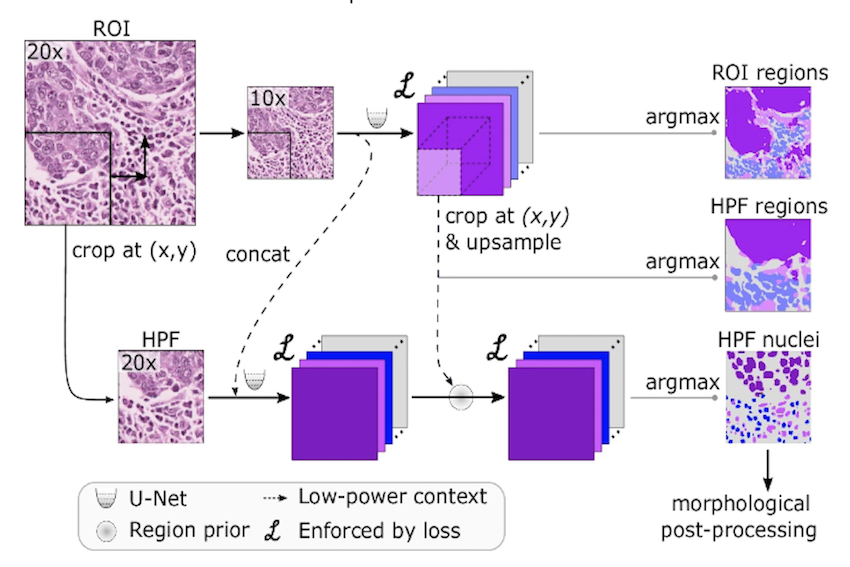
PanopTILs is an open dataset with joint region and nucleus annotations designed specifically for computational TIL assessment.
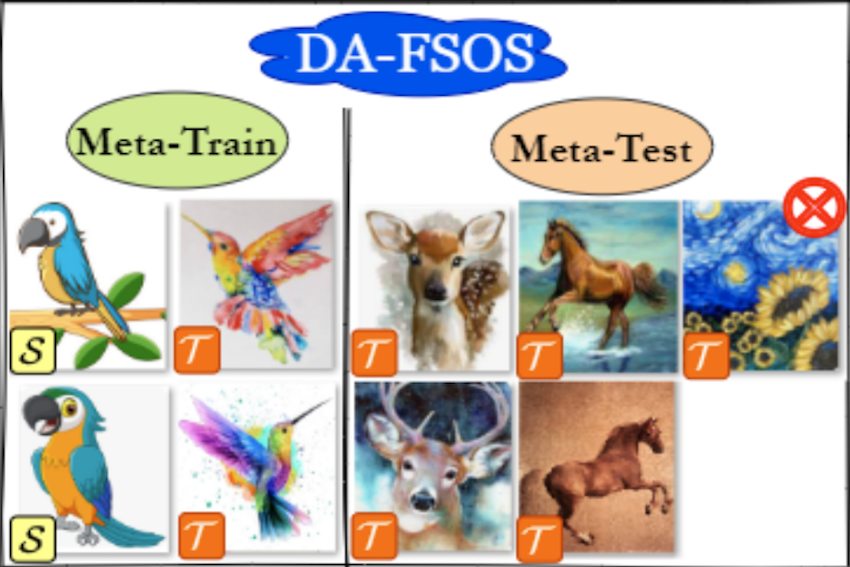
A setting that combines three difficulties at once: domain shift, few shot learning in the target domain, and open set recognition at test time.
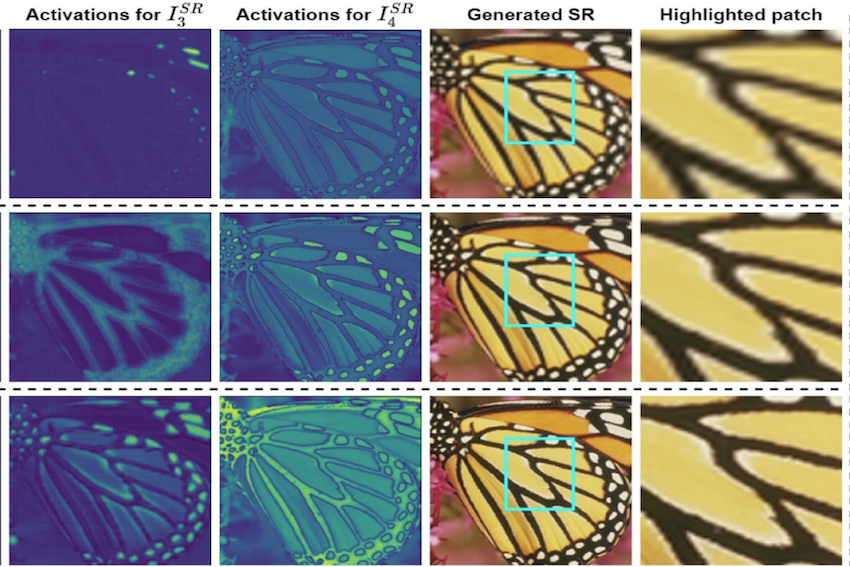
A meta learning Super-Resolution approach aimed at test time adaptation to novel blur kernels using internal patch recurrence from the input image.
Contact
If you'd like to chat, please feel free to reach out: